
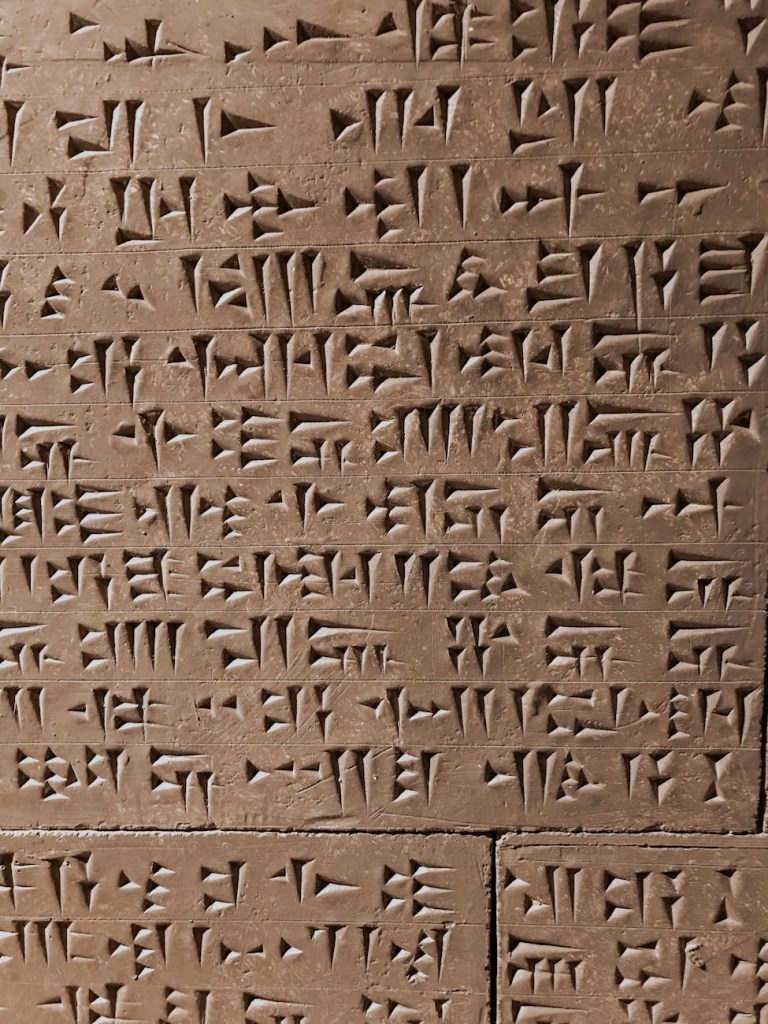
The Sumerian Tablets, primarily clay tablets inscribed with cuneiform writing, are some of the earliest known records of human civilization, dating back to around 3500-2000 BCE in ancient Mesopotamia. They encompass a wide range of content, including:
Administrative Records
Many tablets were used for record-keeping, detailing transactions, inventories, and agricultural activities, reflecting the economy and society’s functions.
Literature
The tablets contain some of the earliest works of literature, including myths, poetry, and proverbs. Notable texts include the “Epic of Gilgamesh,” which explores themes of heroism, friendship, and mortality.
Legal Codes
Some tablets outline laws and regulations, such as the famous Code of Ur-Nammu, which is one of the earliest legal codes, establishing guidelines for justice and governance.
Religious Texts
Many tablets include hymns, prayers, and rituals dedicated to various Sumerian deities, reflecting their religious beliefs and practices.
Scientific and Mathematical Texts
Sumerians made significant advances in mathematics and astronomy, which are documented on tablets that include calculations, astronomical observations, and calendars.
Overall, the Sumerian Tablets provide invaluable insights into the culture, economy, religion, and governance of one of the world’s first civilizations, laying the groundwork for later societies in the region.

 Archaic Wisdom